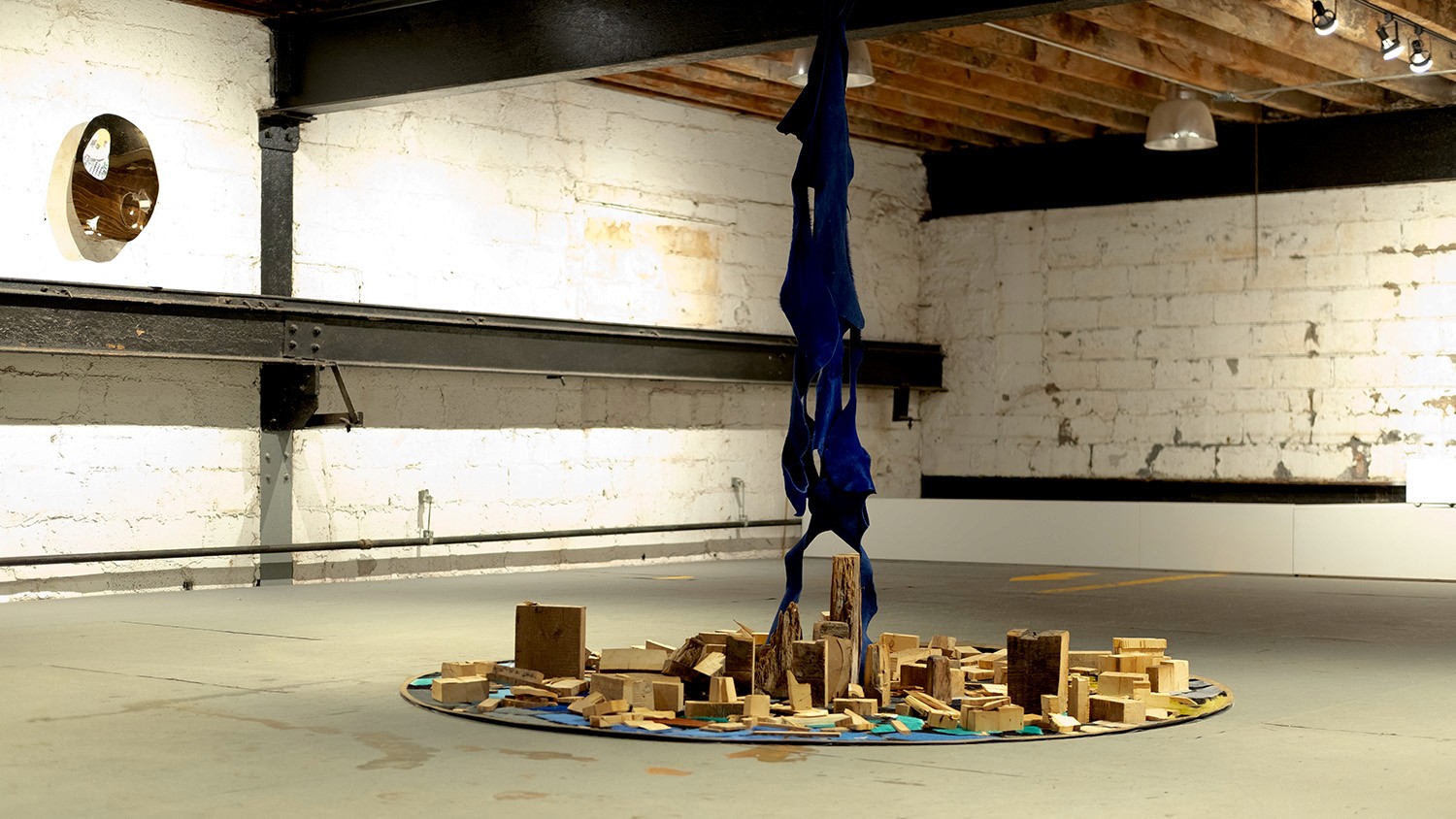
Studio
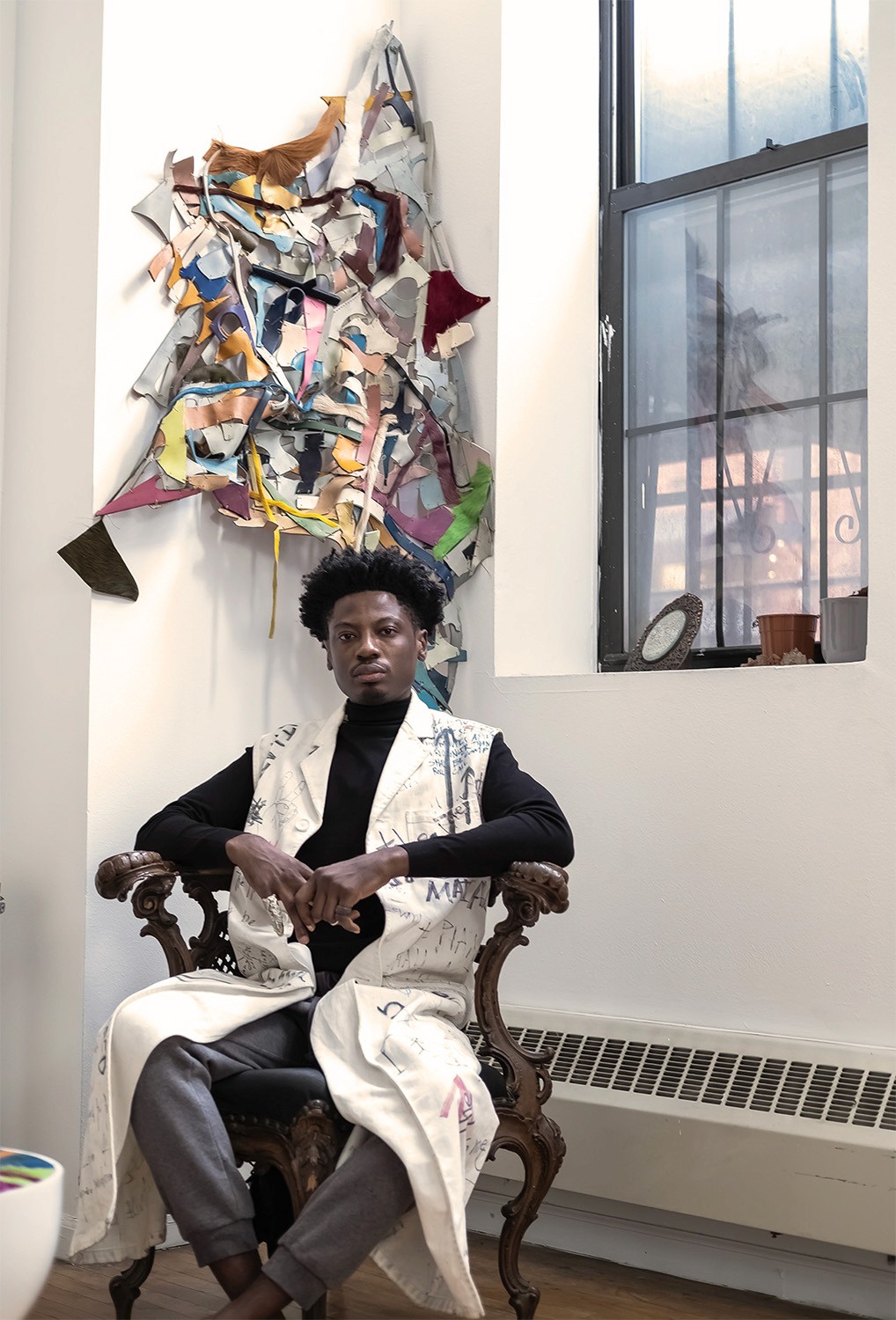
BIOGRAPHY
I founded Tsubame Studio to hold onto something I felt was disappearing. In my father’s workshop in Tsubame-Sanjo, I learned that a small, well-made object can hold as much meaning as a building.
That materials have a voice, and that our job is to listen before we shape. Tsubame is my way of working against speed and excess. We release only a handful of objects at a time, each the result of close collaboration with craftsmen who share a belief in care over output.
What we make is not about novelty or the pursuit of trends. It is about creating things that live well over years – pieces that show the marks of use, and in doing so, become more themselves.

Roots and approach
I was trained as an industrial designer, but my eye and hand were shaped by the years spent in my father’s metal shop. I was drawn first to wood for its warmth, then returned to metal for its precision, and now I work in both. My approach is to strip away until only the essential form and function remain. That does not mean minimalism for its own sake – it means allowing a piece to be honest. Grain, tool marks, small irregularities: these are not flaws but signs of the work and the worker.
The name
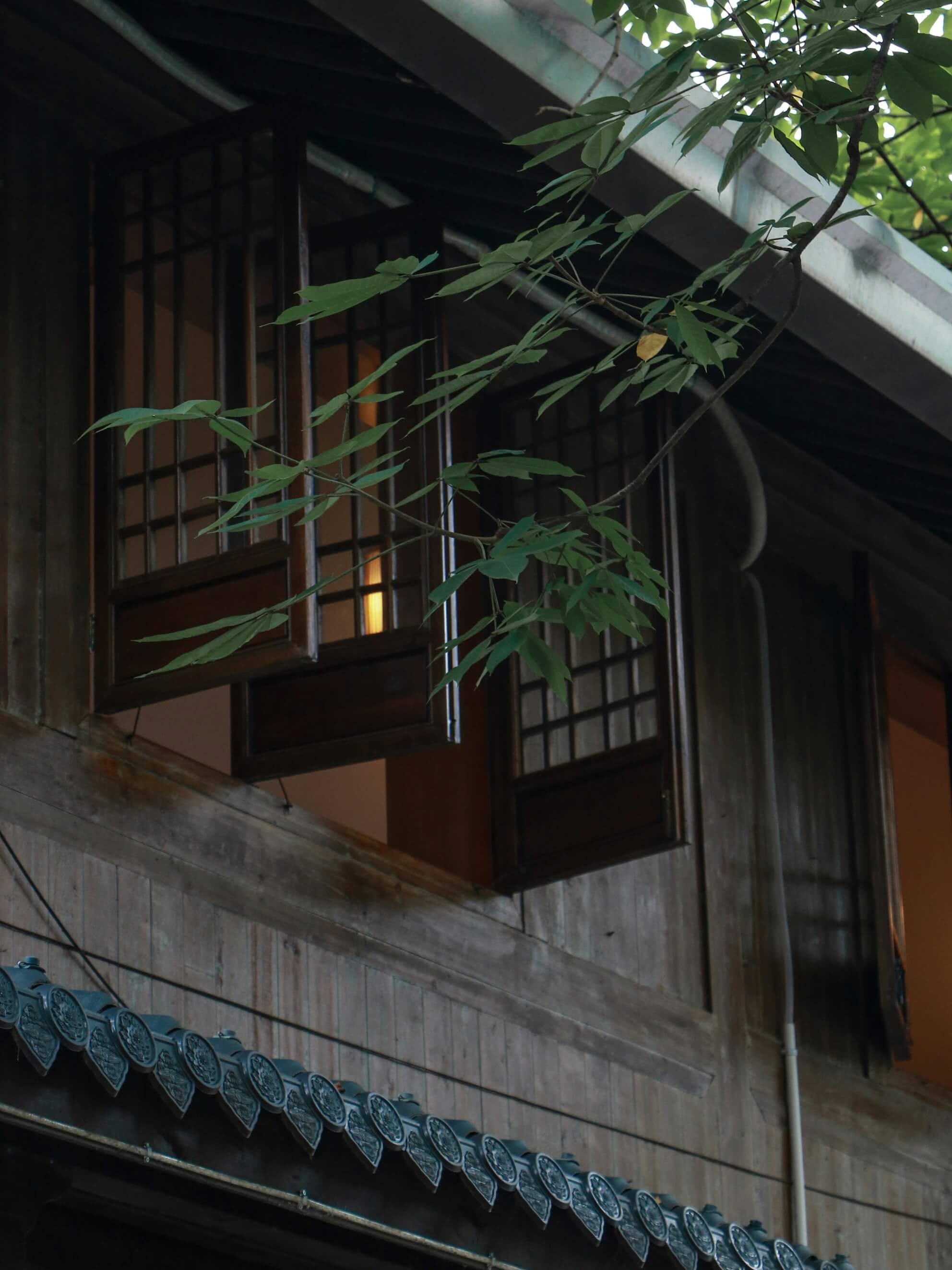
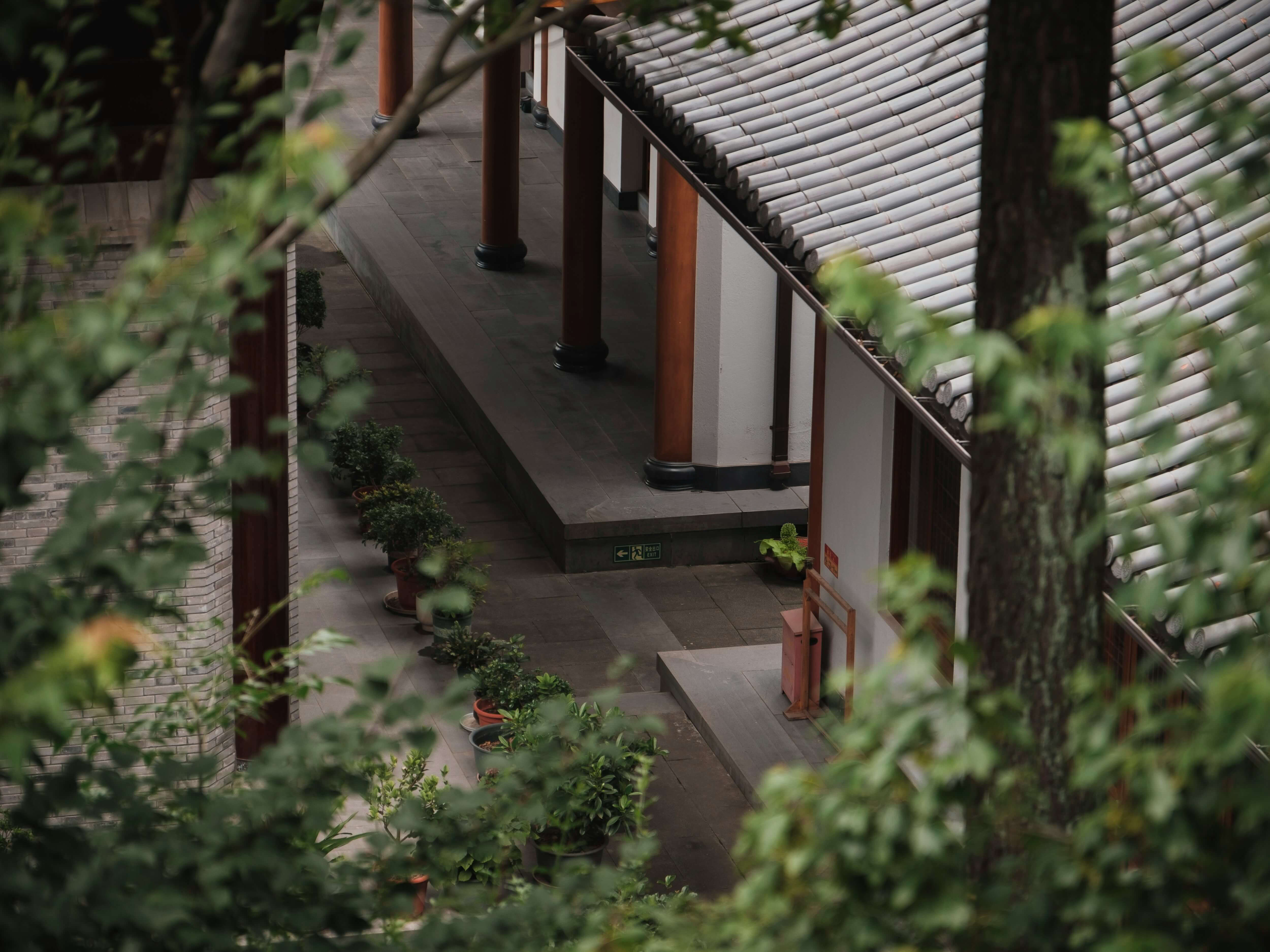
Tsubame is both a place and a bird. Tsubame-Sanjo, in Niigata Prefecture, is home to some of Japan’s finest metalworkers. It is where my father worked, and where I learned what it means to shape something with care.
The bird – the swallow – is a seasonal visitor in Japan. It builds its nest carefully, returns each year, and lives in close relation to the places and people it chooses. I like to think the studio works in the same way.